Sushi Rice vs. Plain Rice: Unveiling Its Unique History & Taste
In the vibrant world of Japanese cuisine, sushi stands as an undisputed icon. While the glistening fresh fish, crisp vegetables, and savory nori sheets often steal the spotlight, the true foundation of any exceptional sushi experience lies with its often-underestimated hero: the rice. But this isn't just any rice; it's a meticulously prepared, seasoned masterpiece known as sushi rice. Understanding the profound difference between sushi rice and its plain steamed counterpart is crucial for appreciating the depth of flavor and tradition behind every bite. This article will delve into the unique characteristics, rich history, and essential techniques of how to make sushi rice, distinguishing it as the heart and soul of authentic sushi.
The Foundation of Flavor: What Exactly is Sushi Rice?
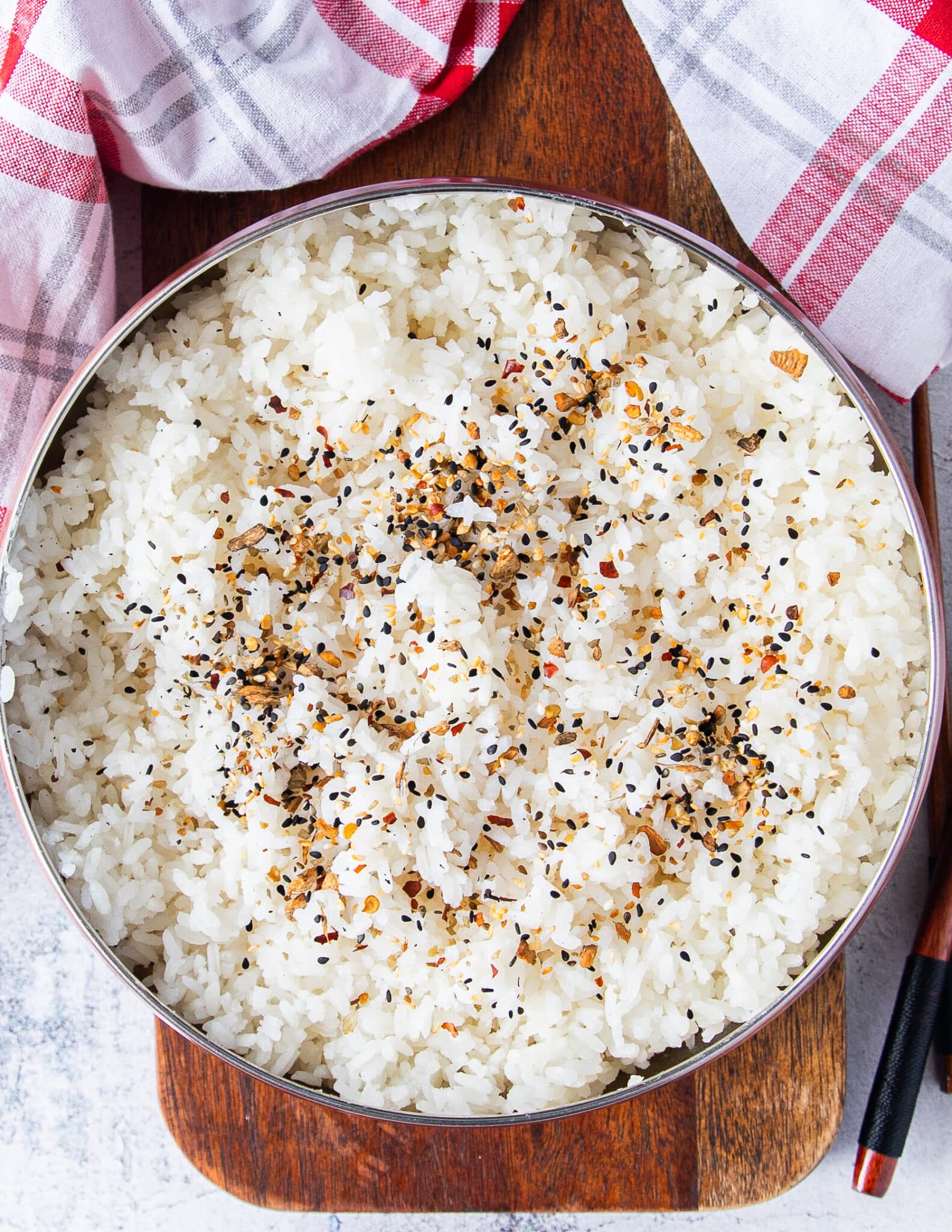
At its core, sushi rice – known in Japanese as shari (シャリ), sushi-meshi (鮨飯), or su-meshi (酢飯) – is short or medium-grain Japanese rice that has undergone a transformative process. Unlike plain steamed rice, which offers a neutral canvas, sushi rice is distinguished by its unique seasoning. After being perfectly cooked, the hot rice is carefully mixed with a simple yet potent concoction of rice vinegar, sugar, and salt. This seasoning imparts a signature sweet and tangy flavor profile, alongside a glossy finish and a distinct sticky, yet separate, texture.
This careful balance is what sets sushi rice apart. The individual grains maintain their integrity while possessing just enough stickiness to hold shape, whether it's formed into delicate nigiri or tightly rolled maki. This texture is paramount for the structural integrity of sushi, preventing it from falling apart and providing a satisfying mouthfeel. Furthermore, the seasoned rice doesn't just hold ingredients together; it actively enhances their flavors, creating a harmonious symphony on the palate. Without this specific treatment, sushi would lack its characteristic zest, balance, and structural perfection.
A Journey Through Time: The Fascinating History of Sushi Rice
The story of sushi rice is as ancient and intriguing as sushi itself, tracing its roots back over a thousand years to Southeast Asia before making its way to Japan. The earliest form of sushi, known as narezushi, emerged as a practical method for preserving fish. In this rudimentary technique, fish was salted and then wrapped in cooked rice, which was allowed to ferment over several months. The lactic acid produced during this fermentation process preserved the fish, making it edible for extended periods. Interestingly, the rice itself was often discarded after serving its preservative purpose, as its flavor was considered too strong.
Over centuries, this preservation method evolved. By the Muromachi period (1336-1573), people began to consume the rice along with the fish. A pivotal shift occurred when vinegar started to be incorporated into the rice. This innovation replicated the lightly sour taste achieved through fermentation but significantly sped up the preparation process. This led to the development of hayazushi, or “fast sushi,” in the 1600s, where vinegared rice was combined with fresh seafood, allowing for quicker consumption and a fresher taste experience. This evolution marked the birth of modern sushi as we know it, with vinegared rice becoming the indispensable foundation for its distinctive flavor profile and elegant presentation. The historical purpose of balancing and preserving flavors continues to define sushi rice today, making it far more than just a filler.
Beyond the Basics: The Art of How to Make Sushi Rice at Home
Mastering how to make sushi rice is the cornerstone of creating authentic and delicious sushi at home. While it might seem daunting, with the right techniques and a little practice, you can achieve that perfect texture, shine, and balanced flavor every time. As the saying goes, "Great sushi always starts with great rice."
Choosing Your Rice and Essential Tools
The journey begins with selecting the correct rice. Always opt for Japanese short-grain or medium-grain white rice, sometimes labeled "sushi rice." These varieties have the ideal starch content to achieve the desired stickiness without becoming mushy. Essential tools include a good rice cooker (or stovetop pot), a fine-mesh sieve, and ideally, a wooden hangiri (a shallow wooden bowl used for seasoning and cooling rice), though a wide, large baking sheet or bowl works just as well. A rice paddle is also indispensable for gentle handling.
Step-by-Step Guide to Perfect Sushi Rice
- Washing and Soaking the Rice: This critical first step removes excess starch, ensuring individual grains and a fluffy texture. Rinse the rice in cold water, stirring gently with your hand, until the water runs clear—this might take 5-7 rinses. Drain thoroughly. For optimal texture, let the rinsed rice soak in fresh, measured cold water (typically a 1:1 or 1:1.1 rice to water ratio, check your rice cooker's instructions) for 20-30 minutes before cooking. Adding a small piece of kombu (dried kelp) during soaking and cooking can infuse an extra layer of umami.
- Cooking the Rice: Place the soaked rice and kombu (if using) in your rice cooker. If your cooker has a "sushi" setting, use it. Otherwise, use the "white rice" setting. Once cooked, let the rice steam for another 10-15 minutes without lifting the lid. This allows the moisture to distribute evenly.
- Crafting the Sushi Seasoning: While the rice cooks, prepare your seasoning. In a small saucepan, gently heat rice vinegar, sugar, and salt over medium-high heat. Stir until the sugar and salt dissolve completely. Be careful not to boil it vigorously; a near-boil is sufficient. Let this mixture cool completely before using. You can also save time by using good quality bottled sushi seasoning, also known as sushizu (すし酢).
- Seasoning the Cooked Rice: As soon as the rice is cooked, remove the kombu. Transfer the hot rice to your hangiri, baking sheet, or wide bowl. Spread it out quickly to maximize the surface area, allowing steam to escape. Gradually pour the cooled sushi vinegar over the hot rice, using a rice paddle to ensure even distribution.
- The "Slicing" and Fanning Technique: This is arguably the most crucial step. Hold your rice paddle at a 45-degree angle and use a gentle, "slicing" motion to incorporate the seasoning and break up any clumps. Simultaneously, fan the rice with a handheld fan or a piece of cardboard. Fanning helps cool the rice quickly, prevents overcooking from residual heat, and gives the grains their characteristic glossy sheen. Continue this process until the rice is cooled to room temperature, glossy, and sticky but not mushy.
- Serving and Storage: Cover the seasoned sushi rice with a damp towel or paper towel immediately after fanning to prevent it from drying out. Use it at room temperature for making sushi.
Mastering these steps will allow you to create the perfect foundation for any sushi dish. For even more detailed guidance and troubleshooting tips, dive into How to Make Perfect Sushi Rice at Home Every Time. Remember, the quality of your sushi rice profoundly impacts the entire sushi experience, which is why Why Perfect Sushi Rice is Key for Authentic Sushi Flavor explores this impact further.
The Versatility of Sushi Rice: More Than Just Rolls
While often associated with traditional rolls and nigiri, the unique qualities of sushi rice make it incredibly versatile in various Japanese and fusion dishes. Its sticky yet firm texture and balanced sweet and tangy flavor are indispensable for:
- Nigiri: Hand-pressed rice mounds topped with fish.
- Maki and Uramaki: Rolled sushi with nori on the outside or inside.
- Chirashi: A "scattered sushi" bowl featuring rice topped with various ingredients.
- Sushi Burritos: A large, deconstructed sushi roll in a handheld format.
- Sushi Bakes: A layered, casserole-style dish with seasoned rice as the base.
- Poke Bowls and Sushi Bowls: Deconstructed sushi elements, where the seasoned rice provides the essential flavor and texture foundation.
Conclusion
The journey from humble rice grain to a perfectly seasoned batch of sushi rice is one of tradition, precision, and culinary artistry. Far from being a mere accompaniment, sushi rice is the vibrant heart of sushi, providing the structural integrity, historical connection, and nuanced flavor that defines this celebrated dish. Understanding its unique history, appreciating its distinct characteristics, and mastering how to make sushi rice at home opens up a world of authentic Japanese flavors. So, the next time you savor a piece of sushi, take a moment to appreciate the unsung hero beneath the fish – the expertly prepared sushi rice that makes it all possible.
