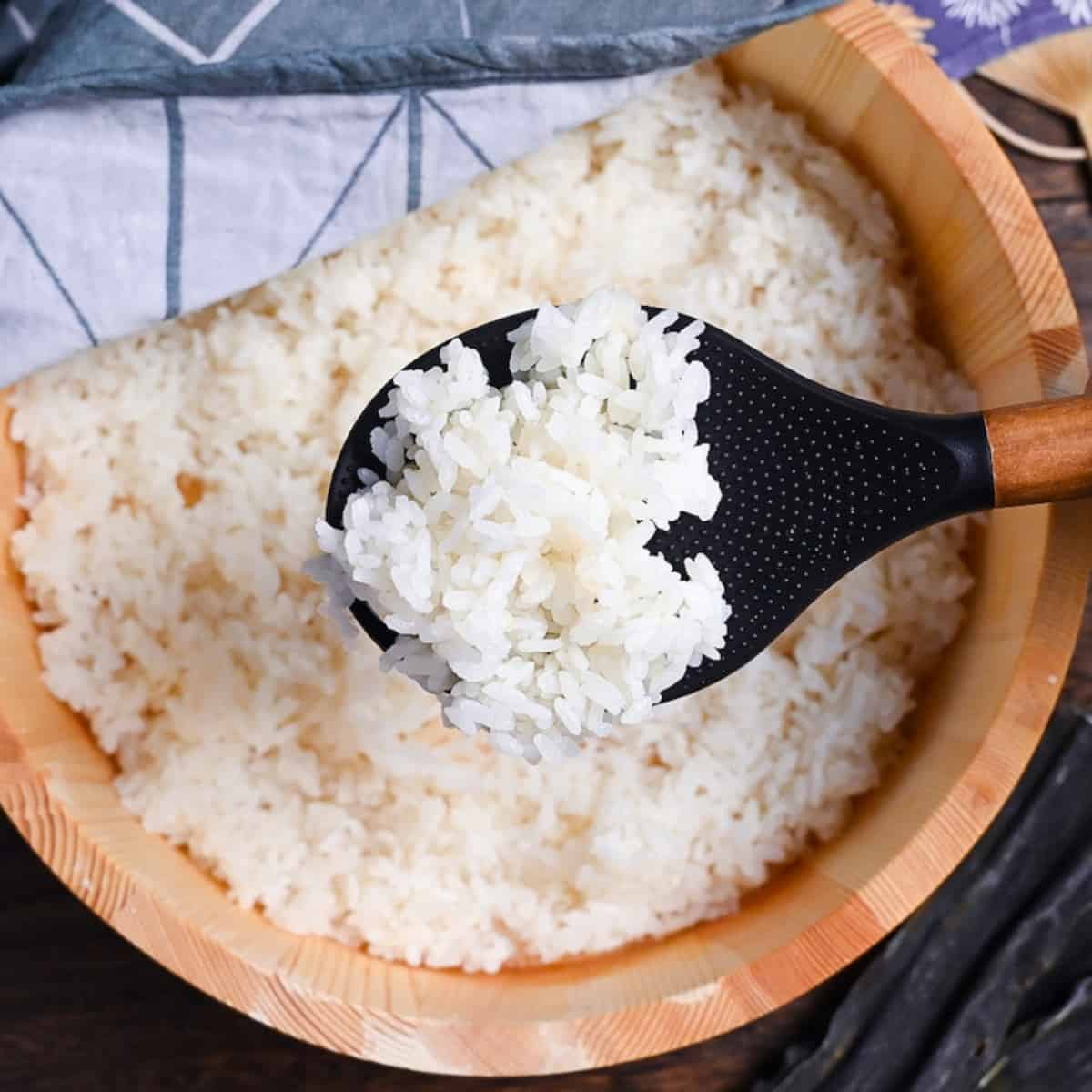
Why Perfect Sushi Rice is the Unsung Hero of Authentic Flavor
When you picture a magnificent plate of sushi, your mind likely leaps to vibrant slices of fresh fish, glistening roe, or crisp, colorful vegetables. While these ingredients are undeniably crucial, there's an often-overlooked element that forms the true backbone of an exceptional sushi experience: the rice. Far from a mere filler, perfectly prepared sushi rice – known as shari (シャリ), sushi-meshi (鮨飯), or su-meshi (酢飯) – is the foundation upon which all great sushi is built. Without it, even the highest quality tuna or the most skillfully cut avocado simply won't achieve that authentic, harmonious flavor and texture that defines true Japanese sushi. Understanding how to make sushi rice properly is not just a cooking technique; it's mastering an art form that transforms humble grains into a culinary masterpiece.
A Brief History: From Preservation to Palate Perfection
The story of sushi rice is a fascinating journey that began not in a culinary pursuit of flavor, but in practical necessity. Its origins can be traced back to ancient Southeast Asia, spreading to Japan in the form of narezushi – fermented fish wrapped in rice. In this early iteration, the rice itself wasn't eaten; it served as a natural agent for fermenting and preserving the fish, allowing it to be stored for extended periods. The resulting lactic acid imparted a distinctively sour taste.
Over centuries, this method evolved. By the 16th century, Japanese cooks began adding vinegar to the rice. This innovation replicated the tangy taste traditionally achieved through fermentation, but with the added benefit of significantly speeding up the process. This gave rise to hayazushi, or “fast sushi,” where vinegared rice and fresh fish were combined, leading directly to the modern sushi we know and love today. This historical shift highlights a critical insight: the sour, tangy element of the rice has always been intrinsic to the sushi experience, evolving from a preservative function to a vital flavor component.
To delve deeper into what sets this culinary cornerstone apart, explore our article on Sushi Rice vs. Plain Rice: Unveiling Its Unique History & Taste.
What Makes Sushi Rice So Unique and Indispensable?
Unlike plain steamed rice, sushi rice undergoes a transformative seasoning process that gives it its signature characteristics. It’s a delicate balance of specific attributes that distinguish it:
- Sticky, Not Mushy: The grains must cling together firmly enough to be formed into nigiri or rolls without falling apart, yet remain distinct and slightly chewy, never gloopy or pasty. This texture is paramount for structural integrity and mouthfeel.
- Balanced Flavor Profile: The seasoning, typically a blend of rice vinegar, sugar, and salt, imparts a complex sweet and tangy taste. This acidity cuts through the richness of fish, refreshes the palate, and harmonizes with other ingredients.
- Glossy Sheen: A well-made batch of shari possesses a beautiful, slightly glossy finish, indicative of proper seasoning and fanning. This visual appeal enhances the overall dining experience.
- Ideal Temperature: Sushi rice is traditionally served at room temperature, providing a pleasant contrast to cool fish and allowing its subtle flavors to shine without being dulled by extreme heat or cold.
Without these precise qualities, the delicate balance of sushi is lost. Mushy rice makes rolls sloppy, dry rice crumbles, and unseasoned rice leaves the sushi bland and uninspired. The rice isn't just a bed for toppings; it’s an active participant in every bite, delivering a textural and flavorful counterpoint to the fresh ingredients.
Mastering How to Make Sushi Rice: A Step-by-Step Guide
Embarking on the journey of how to make sushi rice at home might seem daunting, but with precision and care, it’s a rewarding skill that unlocks a world of authentic sushi. Here’s a detailed breakdown, incorporating essential tips for success:
1. The Rice: Selection and Preparation
- Choose Wisely: Always opt for short or medium-grain Japanese rice. These varieties have the ideal starch content to achieve the necessary stickiness without becoming overly mushy. Long-grain rice will not yield the correct texture.
- Rinsing is Key: Rinse the rice thoroughly under cold running water in a fine-mesh sieve or bowl, stirring gently, until the water runs completely clear. This removes excess starch, preventing the rice from becoming overly sticky or gummy.
- Soak for Success: After rinsing, drain the rice well and let it soak in measured cold water (typically a 1:1 or slightly less ratio of water to rice) for 20-30 minutes before cooking. Soaking allows the grains to absorb water evenly, resulting in a more consistent and perfectly cooked texture. Adding a small piece of kombu (dried kelp) to the soaking water can infuse a subtle umami flavor.
2. Cooking the Rice to Perfection
- The Right Tool: A rice cooker is often the easiest and most consistent method. Many models even have a "sushi rice" setting. If cooking on the stovetop, use a heavy-bottomed pot with a tight-fitting lid, bringing the water to a boil, then reducing heat to low and simmering until all water is absorbed. Avoid lifting the lid during cooking!
- Post-Cook Rest: Once cooked, let the rice rest in the cooker (or pot, off the heat) for 10-15 minutes without disturbing it. This allows the steam to redistribute, resulting in fluffy, evenly cooked grains. Remove the kombu before seasoning.
3. Crafting the Sushi Vinegar (Sushizu)
The magic happens here! This seasoning mixture is what transforms plain steamed rice into shari. While bottled sushizu (すし酢) is available for convenience, making it from scratch offers superior flavor control:
- Ingredients: Combine rice vinegar, sugar, and salt. The exact proportions can vary based on personal preference, but a common starting point is 5:2:1 (vinegar:sugar:salt).
- Gentle Heat: Gently heat the mixture in a small saucepan over medium-high heat, stirring until the sugar and salt are fully dissolved. Do not boil vigorously; you only need to warm it enough to dissolve the solids.
- Cool Completely: Crucially, let the sushi vinegar cool to room temperature before adding it to the hot rice. Adding hot vinegar can make the rice mushy.
4. Seasoning and Fanning: The Delicate Dance
This is arguably the most critical step for achieving that signature glossy texture and even flavor distribution:
- Transfer Immediately: As soon as the rice is ready and rested, transfer it while it’s still piping hot to a wide, shallow non-metallic container. A traditional wooden hangiri (sushi rice tub) is ideal as its wood absorbs excess moisture, but a large baking sheet or wide glass bowl works well. Spreading it out maximizes the surface area for steam to escape.
- Pour and "Slice": Pour the cooled sushi vinegar evenly over the hot rice. Immediately, using a rice paddle (or spatula) held at a 45-degree angle, begin a "slicing" motion. This involves gently cutting into the rice to break up clumps and distribute the seasoning, rather than mashing or stirring.
- Fan for Gloss: As you slice and mix, have a second person fan the rice (or use a small handheld fan yourself). Fanning rapidly cools the rice, allowing it to absorb the vinegar without becoming soggy, and helps create that desirable glossy sheen by quickly drying the surface of the grains.
- Flip and Repeat: Continue this slicing and fanning process, gently flipping sections of rice, until the rice is glossy, evenly seasoned, and cooled to room temperature. This can take 5-10 minutes.
5. Serving and Storage
Once seasoned and cooled, cover the sushi rice with a damp cloth or paper towel to prevent it from drying out. Use it at room temperature for making your favorite sushi rolls, nigiri, or bowls. Sushi rice is best used the same day it's made; refrigeration can alter its texture and make it hard.
For more detailed tips, common pitfalls, and advanced techniques, be sure to check out our comprehensive guide on How to Make Perfect Sushi Rice at Home Every Time.
Beyond Traditional Sushi: The Versatility of Perfect Shari
While often associated exclusively with classic sushi rolls and nigiri, perfectly prepared sushi rice is incredibly versatile. Its balanced flavor and unique texture make it an excellent base for a variety of other delicious dishes:
- Poke Bowls: A foundation of perfectly seasoned sushi rice elevates fresh fish, vegetables, and sauces into a vibrant, satisfying meal.
- Sushi Bakes: Layers of sushi rice, seafood, and creamy toppings baked to perfection offer a comforting, deconstructed sushi experience.
- Sushi Bowls (Chirashi Sushi): A colorful presentation of assorted sashimi and garnishes artfully arranged over a bed of fluffy shari.
- Onigiri: Hand-pressed rice balls, often with a filling, benefit immensely from the correct stickiness and flavor of sushi rice.
Its ability to hold shape and enhance flavors makes it a superior choice over plain rice for these applications, too.
Conclusion: The Heartbeat of Authentic Sushi
Ultimately, the quest for authentic sushi flavor begins and ends with the rice. Far from an afterthought, the shari is the canvas upon which the vibrant art of sushi is painted. Its historical roots, unique characteristics, and the precise methodology involved in how to make sushi rice all underscore its profound importance. Mastering this foundation not only guarantees the structural integrity of your rolls and nigiri but, more importantly, provides the essential sweet, tangy, and textural counterpoint that elevates every bite from merely good to truly extraordinary. Embrace the challenge, hone your technique, and discover the true potential of perfect sushi rice – the unsung hero that unlocks the genuine taste of Japan.
